

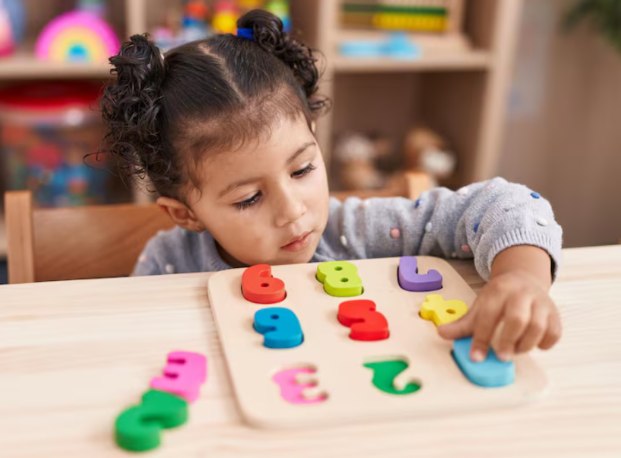
In the early years of a child’s life, every experience and interaction plays a crucial role in shaping their future. The foundation laid during these formative years can significantly influence their cognitive, social, and emotional development. As parents and caregivers, understanding the essentials of early childhood development is key to providing the best start in life for your child. This article explores some fundamental solutions to ensure your child’s early development journey is strong and promising.
Preschool Education: A Critical First Step
Preschool education serves as a cornerstone in a child’s developmental journey. It is during this time that children begin to form essential learning habits and social skills. Preschool education introduces children to a structured learning environment where they can engage in activities that promote cognitive and emotional growth. Through play-based learning, children develop critical thinking skills, creativity, and a love for learning that can last a lifetime. The benefits of preschool education extend beyond academics; it also fosters independence, cooperation, and adaptability, which are vital skills for future success.
Preschool Daycare: Balancing Care and Learning
For many families, preschool daycare provides an ideal solution that combines the nurturing environment of home with the educational benefits of preschool. Preschool daycare centers offer a safe and engaging space where children can explore and learn at their own pace. In preschool daycare, children are encouraged to develop social skills by interacting with peers and adults in a supportive setting. This early exposure to a structured routine helps children adjust to the rhythm of school life and builds a sense of security and confidence. Moreover, preschool daycare often includes a curriculum that supports early literacy, numeracy, and physical development, ensuring a well-rounded approach to early education.
Parental Involvement: A Pillar of Support
While educational institutions play a significant role in early childhood development, parental involvement is equally important. Engaging with your child through reading, storytelling, and interactive play can significantly enhance their language and communication skills. Parents are the first teachers, and their involvement in their child’s learning journey can inspire curiosity and a passion for discovery. Creating a stimulating home environment with books, art supplies, and educational toys can further enrich your child’s learning experiences. Consistent communication with educators and active participation in school activities can also bridge the gap between home and school, ensuring a cohesive support system for your child.
Nutrition and Health: Building a Strong Body and Mind
A child’s physical well-being is intimately connected to their cognitive and emotional development. Providing a balanced diet rich in essential nutrients is crucial for brain development and overall health. Ensuring your child gets adequate sleep, exercise, and medical care supports their physical growth and mental resilience. Encouraging healthy habits from an early age can instill a lifelong appreciation for wellness and self-care.
Emotional and Social Development: Nurturing Emotional Intelligence
Emotional intelligence is a critical component of a child’s early development. Teaching children to recognize and express their emotions helps them build empathy, self-awareness, and interpersonal skills. Encouraging open communication, validating their feelings, and teaching problem-solving techniques can empower children to manage their emotions effectively. Social interactions, whether through playdates or organized group activities, provide opportunities for children to practice these skills and develop meaningful relationships.
Technology and Screen Time: Finding the Right Balance
In today’s digital age, children are exposed to technology from a young age. While technology can offer educational benefits, it’s essential to find a balance that minimizes potential negative impacts. Limiting screen time and ensuring content is age-appropriate can protect children from overstimulation and encourage more active and imaginative play. Engaging in tech-free activities as a family can foster stronger bonds and promote a healthier lifestyle.
Conclusion
Building a strong foundation for your child’s early development involves a combination of education, parental involvement, health, and emotional support. By prioritizing these elements and creating a nurturing and stimulating environment, you can help your child develop the skills and confidence they need to thrive in the future. Remember, the journey of early development is a collaborative effort between parents, educators, and the community, and together, we can ensure every child has the opportunity to reach their full potential.

